The Slowest Rider Sets the Pace: Why Group Rides Need Regrouping, Not Racing
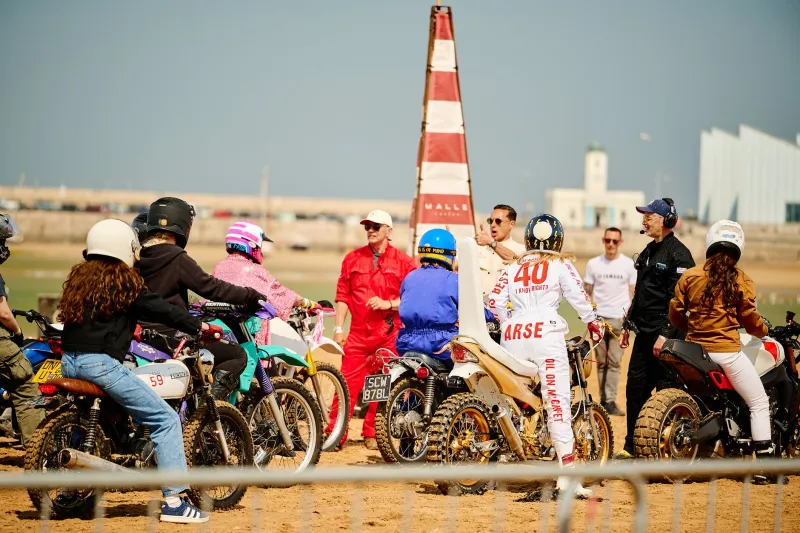
There’s a moment on almost every group ride when it happens. The pace lifts, the gap opens, and someone at the back thinks: I’d better keep up. Not because they’ve decided the road is clear, their tyres are warm and their head is in it — but because they don’t want to be the one who holds everyone up.
That moment is the group ride speed trap. It is rarely caused by malice. Usually it’s caused by nothing more sinister than a fast rider at the front, a mixed bag of experience in the middle and a vague plan that amounts to “follow me”. On UK B-roads, with hedges high, junctions blind and weather doing its usual impression of a damp shrug, that’s not a plan. It’s a gamble.
The instruction that quietly does the damage
“Keep up” sounds friendly enough. In practice, it hands the pace-setting to the least experienced person in the group, because the rider most worried about being left behind is the one most likely to override their own judgement. They’ll carry too much speed into a corner, snatch a brake, take a dodgy overtake or follow someone through a gap they wouldn’t have chosen themselves.
The uncomfortable truth is that group rides are not safer by default. They can be excellent — sociable, confidence-building, a fine way to learn from other riders. But they also add pressure that solo riding simply doesn’t have. A good group ride removes that pressure rather than pretending it doesn’t exist.
Pace is a symptom, not a system
The fix isn’t to crawl everywhere. It’s to stop treating the group as a single organism that must stay glued together. On real roads, bikes get separated by traffic lights, tractors, slow cars, junctions and the simple fact that different riders have different comfortable speeds. Trying to hold a tight formation is what creates the panic. Regrouping is what restores calm.
A drop-off system is the classic answer, and for good reason. The rider immediately behind a junction or turn stops and marks it for the rest of the group. Once the tail-end rider arrives, the marker rejoins. Nobody has to race, nobody has to guess, and the group naturally compresses at the next meeting point.
But drop-off only works if it’s explained properly and everyone actually understands it. It also needs a nominated tail-end rider who knows they are the back marker and is comfortable being the slowest person there. That role is not a demotion. It’s the job that makes the whole thing work.
Clear roles beat cheery optimism
Every mixed-experience ride needs a few basics nailed down before the sidestands go up. Who is leading? Who is tail-end? Where are the planned regroup points? What happens if someone gets separated? And what’s the rule on overtaking the leader? Most groups say “no one overtakes the leader”, then quietly ignore it at the first straight. Better to agree it out loud and mean it.
It also helps to be honest about the route. A 120-mile loop through the Peak District is a different proposition from a gentle café run across the Fens. If the ride leader knows there’s a tricky section — a tight hairpin, a greasy roundabout, a junction where the sight line is poor — say so at the briefing. Surprises are for birthdays, not B-roads.
The briefing that actually earns its name
A useful pre-ride briefing can take three minutes. It doesn’t need a clipboard or a high-vis tabard unless that’s your thing. It does need to cover the things people won’t ask about once the engines are running.
- Route and duration: roughly where you’re going, how long it should take, and where the fuel stops are.
- Roles: leader, tail-end, and anyone marking junctions.
- Regroup points: name the first one clearly. “We’ll wait at the lay-by after the bridge” is better than “we’ll regroup somewhere sensible”.
- Overtaking rules: no overtaking the leader, no pressure to overtake at all, and no heroics to catch up.
- If you get lost: stop somewhere safe, stay put and message the group. Don’t ride fast to find people.
- The get-out clause: anyone can peel off at any time. No explanations needed.
That last point matters more than it sounds. A rider who knows they can drop out without a lecture is a rider less likely to push on when they’re tired, cold or simply not enjoying it.
The quiet pressure is the real problem
You can have the best drop-off system in Britain and still get it wrong if the culture is off. If the fast riders treat every regroup as a chance to light a cigarette and sigh, the slower riders will get the message. If the leader blasts away from every junction, the group will string out. If the chat at the café is all lap times and near-misses, the newest rider will spend the next leg trying to prove something.
A good group ride is not a race with a café stop attached. It’s a shared day out. That means the pace belongs to the slowest rider, not the fastest. It means the leader rides for the group, not for their own entertainment. And it means the experienced riders use their experience to make the day easier for everyone else, not to show off.
On a damp Sunday in 2026, with diesel on the roundabouts and enough gravel in the middle of the lane to open a garden centre, that’s not softness. It’s common sense.
A simple pre-ride checklist
Before the next ride, agree these out loud:
- Leader and tail-end named.
- First regroup point named.
- Drop-off system explained to anyone who hasn’t used it.
- No-overtake-the-leader rule confirmed.
- Lost-rider plan agreed: stop safe, message, wait.
- Fuel and comfort stops roughly planned.
- Everyone knows they can leave the group without drama.
If that sounds like a lot of bother, consider the alternative: a rider pushing beyond their comfort zone because they didn’t want to be the one holding everyone up. Group riding should build riders up, not scare them into a corner. The slowest rider sets the pace — and the best groups are proud of it.