The Ride Isn't Over When the Kettle's Off: Why Biker Stopovers Matter
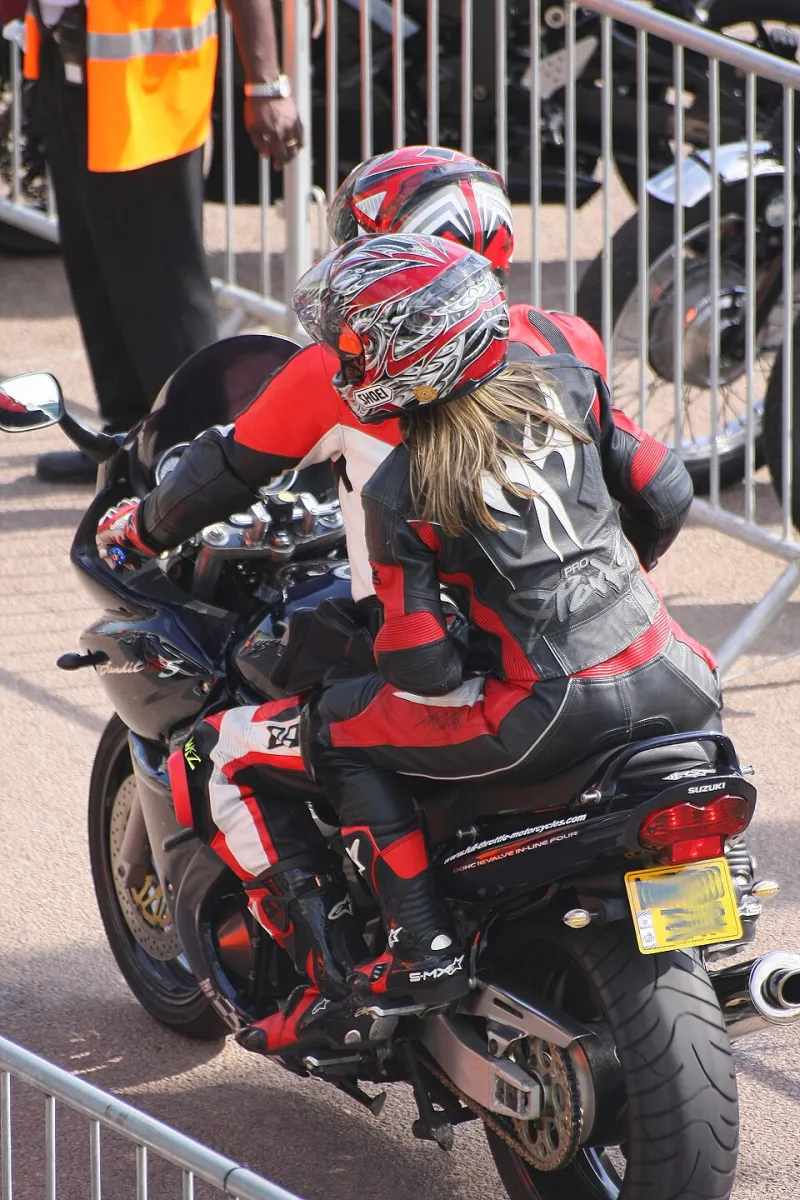
Photo: Reg Mckenna from New Malden, UK, CC BY 2.0, via Wikimedia Commons
A good ride has a rhythm. The early burst of empty A-roads, the slow build through the bends, the moment you drop a gear and grin inside your helmet. Then comes the stop: a mug of tea, a bacon roll, a nod to the rider pulling in behind you. It is easy to treat that as a pause in the ride. In truth, it is part of the ride.
That is why the slow erosion of rider-friendly stopping places matters. A café closes. A lay-by gets double yellow lines. A beauty spot introduces parking charges. A rural pub stops welcoming muddy boots. None of these things sound dramatic on their own. Together, they change the shape of a riding day.
The Stop Is Not a Break From the Ride
For many riders, the destination is the brew stop. Not because they are lazy, but because the stop is where the ride becomes social. It is where you compare routes, laugh about the van that pulled out, check that the new rider in the group is doing okay, and decide whether to take the long way home. A good stop can rescue a bad ride and improve a good one.
It is also a safety feature. A warm drink, a toilet, a bit of shelter and a place to sit down can make the difference between a rider pressing on when they are cold and tired and a rider deciding to stop properly. In winter, that matters more than many people admit.
What's Changing on the Roadside
Some of the pressure is economic. Rural cafés face the same rising costs as everyone else, and a business that depends on fair-weather riders can struggle through a wet spring. Some of it is regulatory: parking charges at popular spots, access restrictions on unsurfaced lay-bys, councils rethinking roadside furniture and traffic management. Some of it is simply change, as land is sold, buildings are converted and old meeting points become something else.
There are still brilliant places doing brilliant business. The Ace Café in London, Squires near Leeds, the cafes around Matlock Bath, the Ponderosa on the Horseshoe Pass, Box Hill, Hartside, Llandovery, Bala and countless smaller huts and diners still pull in riders by the dozen. But riders should not assume they will always be there. The places that survive are usually the ones that adapt, and the riders who support them are part of that survival.
Why the Brew Stop Matters More Than We Admit
Motorcycling can look solitary from the outside. In reality, it is full of small acts of community. The nod, the wave, the rider who stops to help with a snapped chain. The café is where that community becomes visible. It is where a new rider can ask a daft question and get a sensible answer, where someone can admit they are nervous about a route, where a broken-down stranger becomes a mate with a phone charger.
There is a mental health angle here too. A ride out and a brew with other people is a proper reset for a lot of riders. It is not therapy, but it is company, fresh air and a bit of perspective. Losing those places quietly would be a loss that goes well beyond parking spaces and profit margins.
Planning Around the Unknown
Riders can adapt. Check opening times before you set off, especially out of season. Have a backup stop in mind. Carry a flask and a bit of food if you are heading somewhere remote. Do not assume a lay-by will still be open to vehicles, and do not block access if it is. A little planning keeps the day moving when the first choice is shut.
It also helps to spread the load. If every rider descends on the same three famous cafés, the smaller places never get a chance. Try the village bakery, the farm shop with a car park, the roadside diner that looks a bit quiet. You might find your new favourite stop.
What Riders Can Actually Do
Support the places that remain. Buy something, not just a parking space. Be polite to staff, clear your table, and do not treat the car park as a race track. Leave no litter. Review the good places online. Tell the owner you appreciate them. If a local stop is under threat, write to the council or turn up to the consultation. It sounds dull, but it works more often than riders think.
Above all, remember that the brew stop is not a trivial extra. It is where the ride breathes. Britain's riding culture is built on roads, yes, but also on the places where riders take their helmets off and become people again. The kettle is worth fighting for.