Salt, Fog and Shorter Days: A Rider's Field Guide to Keeping the Wheels Turning All Winter
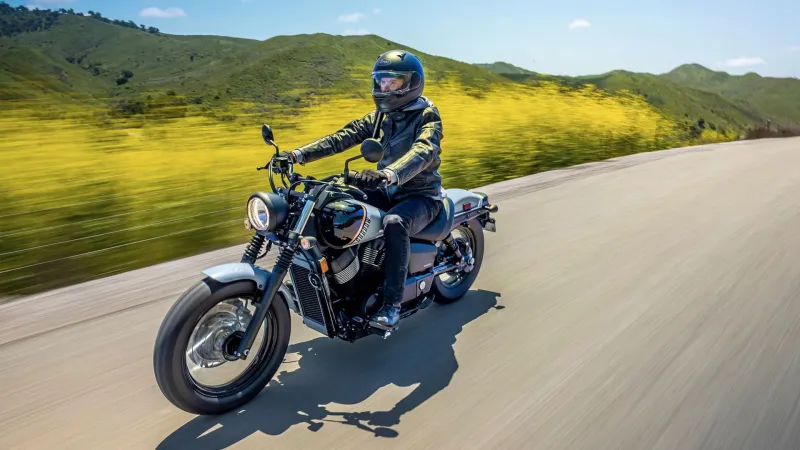
Photo: Peprovira, CC BY-SA 3.0, via Wikimedia Commons
There is a particular kind of quiet that settles over a British lane in winter. The hedges are bare, the tarmac is dark, and the only sound is your own engine bouncing back off the banks. It can be bleak. It can also be brilliant. The trick is not pretending the cold, salt and short daylight do not exist, but learning to ride with them rather than against them.
1. Treat road salt like a slow-acting acid
Grit is not just a traction issue. The salt in it gets into every crevice, chain link and brake line fitting, and it does its work quietly. Rinse the bike with cold water after a salty ride, dry it properly, and use a corrosion protector such as ACF-50 or FS365 on the frame, fasteners and exposed metal. Avoid blasting high-pressure water at wheel bearings, seals and electrical connectors. A gentle hose and a bit of patience will save you money come spring.
2. Layer like you mean it
Cotton is a bad idea. Start with a moisture-wicking base layer, add a fleece or heated mid-layer, then a waterproof shell that actually breathes. Keep your core warm and your hands and neck will thank you. A neck buff makes a surprising difference, and a heated vest is one of the few bits of kit that genuinely extends your riding season. Bulky layers that restrict movement are worse than a good thermal base.
3. See and be seen through the murk
A foggy visor is a safety problem, not a fashion statement. Fit a Pinlock insert, clean the visor properly, and carry a microfibre cloth. Use low beam in fog and consider auxiliary lights if your bike has them. Reflective panels on your jacket and a decent set of gloves with a visor wipe are small things that make a big difference on a grey commute.
4. Tyres are about more than tread depth
Check pressures cold and check them often, because cold tyres lose pressure and cold tarmac offers less grip. Look at the sidewalls for cracking and the tread for squared-off centres. The legal minimum is 1mm, but for winter riding many riders replace tyres nearer 3mm. A good sport-touring tyre with plenty of sipes and silica in the compound will generally cope better with cold, wet British roads than a track-focused tyre.
5. Brake earlier and smoother
Leave a bigger gap than you would in summer. Use engine braking gently, apply the brakes progressively, and avoid grabbing a handful on painted white lines, manhole covers or wet leaves. Shaded bends can hold ice long after the main road has thawed. If you feel the front lock, release and reapply smoothly rather than panicking.
6. Read the surface, not just the forecast
Diesel spills near filling stations, mud dragged onto a B road by tractors, standing water in wheel ruts and grit piled on the inside of bends are all winter regulars. Look well ahead, keep your line tidy, and avoid leaning further than you need to. The forecast says rain; the road may say ice.
7. Keep the battery and chain alive
Short winter rides can drain a battery. Use a smart charger or battery tender if the bike sits for days, and check the charging system if the starter sounds lazy. Clean and lubricate the chain more often than usual, because salt strips lube quickly. A chain that looks fine in the garage can be dry and gritty after one salty commute.
8. Fog is a skill, not a gamble
In fog, slow down, use low beam, and do not follow the vehicle in front too closely. Keep your visor clear and your speed to a level where you can stop within the distance you can see. If it gets really thick, pull into a safe lay-by, have a brew and let it lift. There is no prize for pressing on.
9. Low sun is a real hazard
Winter sun sits low and can turn a wet road into a mirror. Keep a pair of sunglasses or a tinted visor insert handy, keep the visor clean inside and out, and be ready for drivers who are squinting into the glare. On country roads, assume someone may pull out because they simply did not see you.
10. Plan for the café, not just the road
Shorter days mean shorter rides. Build in a stop every hour or so, choose routes with decent surfaces and avoid exposed high passes when ice is likely. Charge your phone, tell someone where you are going, and carry breakdown cover. A flask and a pocket full of snacks can turn a grim ride into a good one.
11. Warm hands, clear head
Heated grips or handlebar muffs are not a luxury in a British winter. Cold hands make bad decisions. Keep your core warm, wear proper winter gloves, and take a break before you get cold rather than after. Fatigue creeps up faster when you are shivering.
12. Find the joy in the empty roads
This is the bit people forget. Winter roads are quiet. The café is full of proper riders. The light can be beautiful. You do not need a 200-mile epic; a 40-mile loop with a stop for tea is enough. Ride for the pleasure of it, not to prove a point.
Spring will come. Until then, look after the bike, look after yourself, and enjoy the fact that the roads belong to the hardy few.