Three Grand, One Sensible Step: Buying Your First Proper Big Bike in 2026
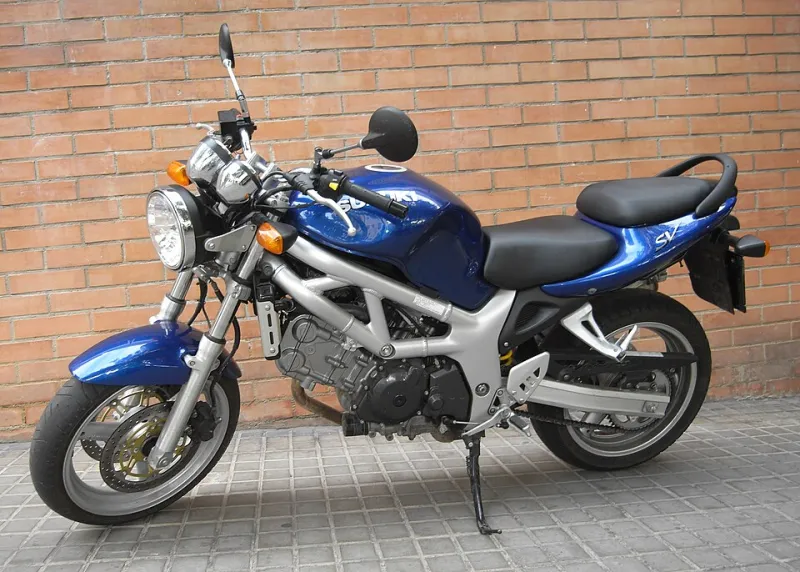
Photo: Arnaullv, CC BY-SA 4.0, via Wikimedia Commons
There is a moment in every rider's life when the little bike starts to feel a bit too little. The commute is fine, the back lanes are fun, but you fancy something with a bit more grunt, a bit more presence and a bit more motorway manners. The trouble is that the phrase "first big bike" usually arrives with a budget, and in 2026 a realistic one for many riders is around £3,000.
That is not a fortune in showroom terms. It is, however, a useful amount in the used market, provided you resist the shiny temptation at the front of the shop and buy with your head as well as your heart.
Start With the Maths, Not the Dream
A £3,000 budget does not mean a £3,000 bike. It means a bike, insurance, tax, a fresh MOT if needed, tyres, chain and sprockets, a service, and a contingency pot for the thing you did not spot on the test ride. Spending every penny on the machine is how a good buy becomes a bad month.
A sensible split is roughly £2,300 to £2,600 for the bike and the rest held back for immediate fettling. If the seller has a folder of receipts and the tyres are decent, you may be able to push closer to the top end. If the chain is dry, the brake discs are scored and the dash is flashing something mysterious, walk away. There will be another one.
What £3,000 Actually Buys
In the 2026 used market, £3,000 puts you in reach of a lot of sensible middleweights. Think Suzuki SV650, Kawasaki ER-6n or ER-6f, Honda CB500F or CBR500R, Yamaha XJ6, Kawasaki Versys 650, Honda NC750, or an older Suzuki Gladius. You may also see early Yamaha MT-07s and Street Triples hovering nearby, but condition and history matter far more than the badge on the tank.
The sweet spot is usually a bike that is old enough to have taken the worst of its depreciation but young enough to have fuel injection, ABS on many models, and a decent parts network. Mileage is less frightening than neglect. A 40,000-mile SV650 with regular oil changes and clean brake fluid is often a better bet than a 12,000-mile garage ornament that has sat untouched for three winters.
The Insurance Group Trap
Before you fall in love with a faired sports bike, get quotes. Insurance groups vary widely, and a middleweight naked can be dramatically cheaper to cover than a 600cc supersport with race-replica graphics. Your postcode, age, licence history, mileage, storage and security arrangements will all move the number, so a quote on one bike tells you very little about another.
It is worth checking a few registration numbers before you view anything. A bike that is £400 cheaper to buy but £300 more to insure every year is not the bargain it first appears to be. Add in the excess and breakdown cover, and the true cost of ownership starts to take shape.
Commute Reality and Clean Air Zones
If the bike is going to earn its keep on the daily commute, practicality matters. Upright bars, a decent turning circle, manageable seat height and a tank range that does not demand constant detours are all worth more than a fancy dash. Check whether the bike is compliant with London's ULEZ and other clean air zones around the UK. For motorcycles, that generally means a Euro 3 or newer machine, but the registration is the thing to check rather than the seller's assurance.
Think about storage, too. A chain and a cover are fine at home, but a bike that lives outside needs regular attention. If you are filtering through traffic every morning, a narrower middleweight often makes more sense than a wide adventure bike with luggage bolted on.
Common Faults to Check
There is no single checklist that covers every used bike, but some themes repeat. Corrosion around the front forks, engine cases, rear shock linkage and brake calipers is common on UK machines that have seen winter salt. Seized calipers, perished brake lines and neglected fluid are easy to miss on a short test ride.
On SV650s, look for fork seal leaks, rust around the rear subframe and tired suspension. ER-6 models can suffer from corroded fasteners and neglected cooling systems. CB500s are generally tough, but check the charging system, chain adjustment and general finish. Whatever you buy, budget for a professional inspection if you are not confident. A £100 check that saves you a £700 repair is money well spent.
Why the Sensible Middleweight Wins
A shiny showroom temptation is lovely, but it is not always the right first big bike. A middleweight with sensible tyres, predictable power and a comfortable riding position will teach you more about braking, cornering and road reading than a razor-sharp machine that frightens you in the wet. It will also be cheaper to run, easier to insure and less heartbreaking if it picks up a scuff in a car park.
The best first big bike is not the fastest one you can afford. It is the one you can afford to ride, maintain and enjoy all year. Three grand is enough to buy that bike in 2026, as long as you spend it with your eyes open.