The Car Park Is the Clubhouse: What Keeps a British Bike Night Coming Back
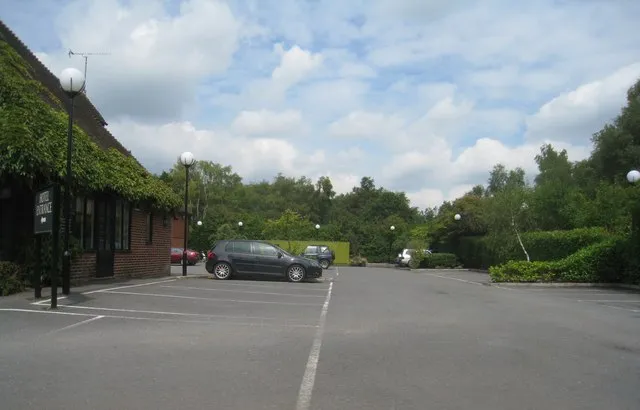
Photo: Sandy B , CC BY-SA 2.0, via Wikimedia Commons
There is a moment around seven o'clock on a dry Wednesday when a pub car park stops being a pub car park. A couple of bikes arrive. Then a few more. Someone lifts a visor, someone else laughs at a jacket that has clearly seen three winters, and the burger van starts doing a quiet trade. It looks like nothing much. It is actually a small piece of social infrastructure, and it is far easier to kill than most riders realise.
A good British bike night is not a rally, a show or a club meeting with minutes and a treasurer. It is a low-stakes excuse to ride somewhere, stand around bikes and talk rubbish with people who understand why you cleaned a chain at nine on a Sunday morning. But low-stakes does not mean no effort. The best meets are built from unglamorous details that most people never notice.
Seven o'clock is a promise, not a rule
The seven o'clock rule is not really about seven o'clock. It is about reliability. If a meet says seven, someone needs to be there at seven, not drifting in at half past with a vague apology about traffic. Riders plan around a start time. They decide whether to come straight from work, whether to eat first, whether to take the long way round. A fixed, predictable slot is a gift to anyone who has a job, a family or a bike that needs an hour's notice before it starts.
Consistency matters more than novelty. A meet that moves from Tuesday to Thursday to Sunday depending on the organiser's mood is a meet that people stop checking. A meet that clashes with three other local nights is a meet that splits its own crowd. Pick a rhythm, stick to it and let the thing become part of the local calendar. If it runs from April to October, say so. If it is every week, be there every week, even when it rains and only four people turn up. Those four people are the reason it survives.
The first five minutes decide everything
Walk into a good bike night and someone will usually nod, or say hello, or ask what you are riding. It sounds trivial. It is not. The difference between a meet that lasts and one that fades is often whether a new rider on a scruffy 125 feels like they can park up without being judged. A welcoming atmosphere is not a poster on a gate. It is a handful of regulars making eye contact with people they do not know.
Ride-in arrangements matter too. If the site is tight, point bikes into rows and leave the exits clear. If it is a seafront, keep the revving down for the sake of the cafes and the people walking past. If it is an industrial estate, remember that some units are still working and that a car park is not a drag strip. A few simple instructions, given politely, stop small problems becoming council problems. No one wants to be the rider who ruined a good night because they could not resist a burnout.
Food, light and somewhere to sit
A bike night is a social event, and social events need basic comforts. Somewhere to sit. Somewhere to get a cup of tea. A burger van that does not charge festival prices. In winter, light. In summer, shade. Access to a toilet, even if it is the pub's. None of this is glamorous, but all of it keeps people hanging around longer than twenty minutes.
Food is also a quiet contract with the venue. If the pub is open and selling chips, buy some chips. If the cafe has kept its lights on for you, buy a coffee. A meet that treats the venue as a free car park and nothing else is a meet that will eventually be asked to move on. The best organisers understand that the landlord or cafe owner is a partner, not a backdrop.
The venue is a partner, not a backdrop
Good relations with venues and councils are boring until they are not. Talk to the landlord before the season starts. Agree rough numbers, noise expectations and a finish time. Ask whether there are nights when the car park is needed for something else. If the site has neighbours, keep the arrivals quiet and the departures quieter. If the council has rules about events or parking, know them rather than discovering them through a letter.
One bad night can undo months of goodwill. A few revving engines at eleven o'clock, a pile of litter, a blocked fire exit or a rider treating the entrance like a pit lane can make a venue decide the hassle is not worth it. The fix is usually simple: a named contact, a couple of marshals on busy nights, and a willingness to have a quiet word before someone else has to. Good relations are cheap. Bad ones cost the meet.
Give riders a reason to come back
The chat is the main attraction, but a little variety helps. A short ride-out before the meet. A guest with a well-travelled bike. A charity raffle with a decent prize. A mechanic offering free basic checks for ten minutes. A new-rider corner where someone can ask what a chain should feel like without being laughed at. None of this needs to be every week. It just needs to be enough to make the night feel alive rather than merely habitual.
What kills a bike night is often not the weather. It is organiser burnout, cliques, a venue that stops caring, rising costs, or a meet that slowly turns into a show with judging and politics. The best nights have a succession plan, even if it is just two or three people who know how to share the jobs. The person who books the van should not also be the person who handles the council, the social media and the first-aid kit.
The quiet test
At the end of a good night, the car park should look much as it did before. No litter, no skid marks, no annoyed neighbours. The venue should have made a bit of money. A new rider should have been spoken to. And most people should be vaguely looking forward to next week. That is the real seven o'clock rule: turn up, behave, buy a brew and make it easy for someone else to turn up too. The car park is the clubhouse. Treat it like one and it will stay open.