Two Up, No Surprises: The First-Passenger Ride Done Properly
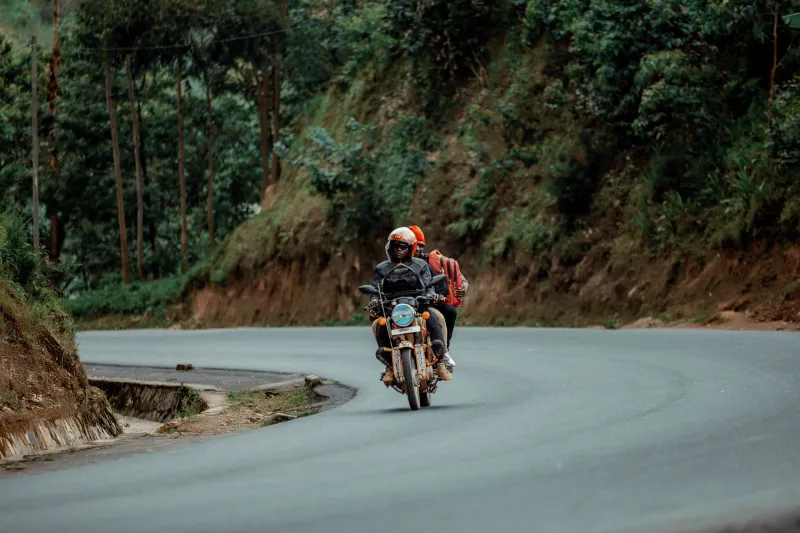
There is a moment, usually in a car park or outside a cafe, when someone pulls on a spare helmet, gives you a thumbs-up and climbs aboard. That is the point where a solo ride becomes a two-up ride, and where a lot of riders discover that the bike feels different, the brakes feel different and every input they make is being felt by somebody else.
Two-up riding is not difficult, but it is different. The best first passenger runs are not the ones where you show off your favourite B-road pace. They are the ones where you brief properly, set the bike up sensibly, agree a few signals and ride smoothly enough that your passenger finishes the trip grinning rather than gripping.
Start Before the Engine Does
The first rule of taking a pillion is that the ride begins before the engine starts. A short, calm briefing in the car park is worth more than a hundred miles of apologising later.
Explain how you want them to get on and off. The usual routine is simple: rider on first, front brake held, bike upright, passenger mounts from the left and puts their feet on the pegs only when told. Getting off is the reverse. It sounds fussy, but it stops the bike lurching sideways while somebody is halfway aboard.
Tell them what to wear. That means proper gloves, boots, jeans or riding trousers rather than fashion denim, and a jacket that will not flap itself into a knot at 60mph. Check the helmet fits properly and that the visor is clean. If they are borrowing kit, make sure it actually fits rather than merely closes.
Then agree the basics. They should sit fairly still, keep their feet on the pegs, and hold on to you or the grab rail without using you as a steering wheel. They should not lean against the direction of a corner or try to sit upright while the bike is leaning. Tell them to look over your inside shoulder through bends and to follow the bike rather than fight it.
Finally, agree a stop signal. A tap on your shoulder or a pat on your leg can mean “pull over when it is safe”. Keep it simple and repeat it back to them. The first two-up ride is not the time for an elaborate system of taps, points and hand gestures that nobody can remember at 50mph.
Set the Bike Up for Two
Before you leave, spend ten minutes on the bike. Two-up riding changes the load, the ride height and the way the bike behaves, so check the owner’s manual and set things properly.
Tyre pressures are the obvious starting point. Most manuals list a higher rear pressure for two-up riding, and sometimes a different front figure as well. Check them cold. A soft rear tyre with a passenger aboard will feel vague, wear quickly and make the bike work harder than it should.
Rear preload is the next thing to adjust. If your bike has a preload collar or a remote adjuster, set it for the extra weight. The aim is not to turn the bike into a hard-tailed racer; it is to keep the geometry sensible and stop the rear end squatting under acceleration. If you have adjustable front preload or damping, check the manual for the recommended two-up settings. If you are unsure, ask a mechanic or leave it standard rather than guessing.
Give the chain a look if it is exposed, check the brakes and lights, and make sure any luggage is secure. A loose strap or a flapping bag is annoying on a solo ride and genuinely distracting with a passenger aboard.
Smooth Is the Whole Game
With a pillion, every input is magnified. Snatchy braking bangs helmets together. Abrupt acceleration has them hanging on. Clumsy gear changes turn a nice ride into a nodding-dog impression.
So ride as if you are carrying a tray of drinks. Brake earlier and more gently than usual, using both brakes progressively. Leave more space ahead so you are not forced into late, hard braking. Accelerate smoothly and change gear cleanly. If you are about to brake firmly, tell them beforehand. They cannot see the road ahead as well as you can, and they cannot read your mind.
At low speed, keep things calm. A pillion changes the balance of the bike, especially in car parks and at junctions. Keep your feet down when they mount or dismount. Do not try to paddle the bike around with a passenger aboard if you can avoid it. Plan your stops so you are not balancing on a camber while somebody wriggles off the back.
Corners, Bumps and Confidence
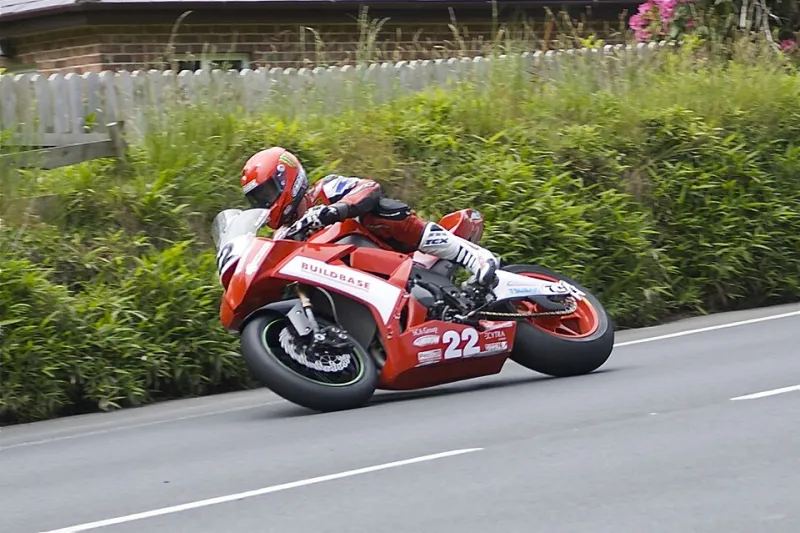
In bends, the bike may need a little more lean for the same speed, so slow down and give yourself room. Your passenger should stay neutral, follow the bike and look through the corner over your inside shoulder. If they lean the wrong way or sit bolt upright, the bike will feel awkward. A calm reminder before the first few corners usually sorts it.
Bumps and potholes are worth pointing out if you can do so safely. A passenger cannot always see what is coming, and a sharp edge taken at speed can be unpleasant through the seat. Ease off, stay light on the bars and keep the bike settled.
Do not make the first ride a full-day motorway thrash or a fast lap of your favourite road. Start on quiet roads, build up gently and stop somewhere nice after an hour. A cafe, a viewpoint or a decent pub garden gives you both a chance to relax, swap notes and adjust before heading home.
The Partnership Bit
Two-up riding works best when it feels like a partnership rather than a delivery. The rider is responsible for the bike, the pace and the road. The passenger is responsible for staying calm, following the bike and communicating when something is wrong. Neither person has to be perfect, but both need to be paying attention.
After the first run, ask how it felt. Were the brakes too sharp? Was the seat uncomfortable? Did they feel like they were sliding forward? Small adjustments make a big difference, and the next ride will be better for it.
A first pillion ride should not be a test of nerve. Done properly, it is one of the good bits of motorcycling: a shared view, a shared stop and a passenger who suddenly understands why you keep disappearing on Sunday mornings.