Age Is Not an Inspection: Running a Historic Motorcycle Without Cutting Corners
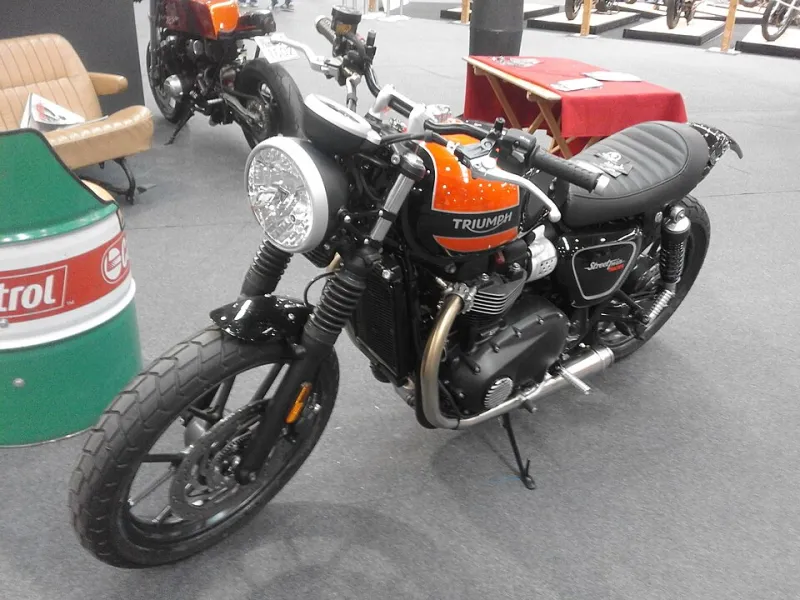
Photo: Nicholas Gemini, CC BY-SA 4.0, via Wikimedia Commons
There is a particular kind of optimism that arrives with a fortysomething motorcycle. The tax becomes historic, the MOT drops off the to-do list, and suddenly the old thing feels like it has been promoted. But the exemption is not a mechanic's blessing. It is a legal declaration about the bike, made by you, and it sits alongside a set of responsibilities that do not age out with the number plate.
If you are running a classic in 2026, the aim is not to dodge scrutiny. It is to be the sort of owner who can put a hand on the tank and explain exactly what has been done, what has not, and why the machine is fit for a British B-road on a damp Tuesday.
The exemption is a declaration, not a certificate
The historic vehicle MOT exemption applies to motorcycles over 40 years old that have not been substantially changed. The age cut-off rolls forward, so check the exact date against your machine rather than assuming a calendar year. When you tax the bike in the historic class, you declare that it is exempt from MOT testing. The V112 form is the paper declaration used at a Post Office, and it is worth keeping a copy with the V5C and any supporting notes.
What that declaration does not do is certify the bike as safe. It does not check your brake lines, your tyre dates, your wheel bearings or the state of the wiring under the seat. It simply says the vehicle meets the exemption criteria. The moment you ride it on the road, the usual roadworthiness rules apply. If a brake fails or a tyre lets go, the exemption will not be much of a defence.
What V112 actually asks you to say
The V112 is short, which is part of the problem. It is easy to tick the box and move on. But the form is asking you to confirm that the machine is over 40 years old and has not been substantially changed in the last 30 years. That second part deserves a proper look, especially if the bike has passed through several owners, been rebuilt, or been improved by someone with a welder and a strong opinion.
Keep a simple history file. Photographs of the bike before and after work, receipts for major components, old MOT certificates, insurance documents and notes from previous owners all help. You are not building a museum archive. You are building a defence against the sort of question that arrives when an insurer, a buyer or a roadside officer wants to know what exactly you have declared.
"Substantially changed" is the bit people skip
This is where enthusiasm can outrun the rules. The DVLA guidance focuses on major structural and mechanical changes. A fresh set of tyres, a rebuilt carburettor, new brake pads or a replacement exhaust of the same type are not usually the issue. A different frame, a modern front end, a changed swingarm or a completely different engine are the sort of alterations that need checking carefully against the current guidance.
If you are unsure, do not guess. Ask the DVLA, speak to a specialist, or contact the historic vehicle section of a club that knows your model. It is far cheaper to clarify the position before you tax the bike than to discover a problem when you are standing in a queue at a Post Office with a V112 in one hand and a sheaf of receipts in the other.
Insurance and the MOT-shaped hole
MOT exemption does not remove the need for insurance. It does not remove the need to tax the bike, either, even if the historic class costs £0. It also does not stop an insurer from asking questions about the machine's condition, its modifications or its agreed value. Tell your insurer that the bike is MOT-exempt and ask what evidence they want. Some will be happy with photographs and a description. Others may ask for a specialist report or an independent inspection.
Do not assume that a policy bought online in five minutes has understood the word "historic". A quick phone call is worth more than a claim-time argument. If the bike is modified, say so. If it has been off the road for years, say so. If you are rebuilding it, say so. Insurance works best when the insurer knows what they are covering.
The maintenance that never expires
A classic bike is not a lower-maintenance bike. In many ways it is a more demanding one. Older materials, points ignition, carburettors, cable-operated brakes and ageing rubber all ask for attention. The MOT used to provide an annual nudge. Without it, you have to provide your own.
Build a routine. Check tyre pressures and tread before every ride, and look at the sidewalls for cracking. Test the brakes properly, not just at the end of the drive. Look at the lights, the horn and the indicators. Check the chain or belt, the cables, the fluid levels and the area under the engine for leaks. Rock the bike and listen for steering-head or wheel-bearing play. Squeeze the hoses. Look at the dates on the tyres. If something feels vague, it probably is.
Once a year, go deeper. Brake fluid absorbs water, fork oil degrades, and old rubber hoses can look fine while doing very little. If you are not confident with the spanners, book the bike in with someone who is. A good independent mechanic is not a luxury on a historic motorcycle. They are part of the ownership model.
A sensible routine for a fortysomething bike
Treat the start of the season as your own private MOT. Clean the bike, put it on a stand, and go around it methodically. Check the things that are easy to ignore when you are keen to ride: the age of the tyres, the condition of the brake lines, the security of the battery, the state of the wiring loom, the operation of the clutch and throttle. Take photographs as you go, especially if you have made changes.
Then ride it. Not to the end of the road and back, but properly. A classic that has been sitting will often reveal its faults in the first twenty miles. Listen for new noises. Feel for strange vibrations. Stop and check the obvious things. A historic bike rewards a rider who pays attention.
The honest version of stewardship
Running a historic motorcycle is not about pretending the rules do not apply. It is about understanding which rules do, which ones have changed, and which responsibilities sit with you. The exemption is a useful piece of recognition for older machines. It is not a substitute for maintenance, insurance or common sense.
The best classic owners are not the ones with the most original bikes. They are the ones who know their machines, keep their paperwork in order and ride with a bit of mechanical sympathy. That is the version of historic motorcycling worth passing on.